Fun for all the family

There’s lots to do at Ryedale Folk Museum, and we’re a friendly place that’s fun for all the family. We recommend that you take at least a couple of hours to explore our six-acre site and many families also like to bring a picnic to enjoy in one of our picnicking spots around the museum.

During school holidays, there’s always a fun family trail to keep little ones entertained, as well as a changing programme of activities. Our family-friendly activities might include weaving, rag-rugging, paper-pot planting or a lovely art and craft activity where you’ll also make something special to take home.

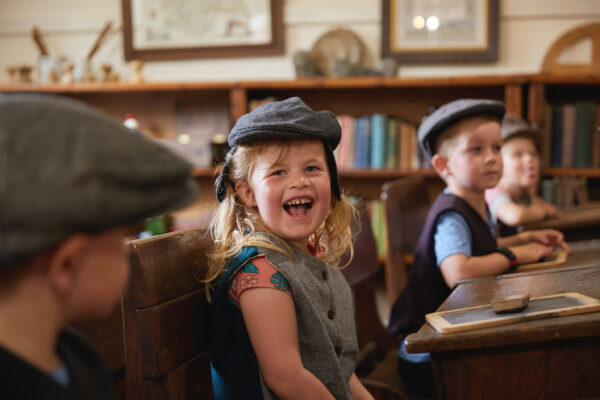
Don’t miss the school room where you can try your hand at being a Victorian teacher or pupil – and wear the mortar board or the dunce’s hat! 

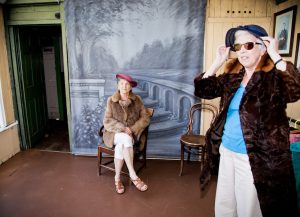
Or take a photo Edwardian-style in the Daylight Photographic Studio – the oldest of its kind in the country. Our studio was the workplace of renowned photographer William Hayes, who used it for studio portrait photographs which were replacing the more expensive portrait paintings. Enjoy dressing up and striking a pose against William’s dramatic Elysian background!


Look out for family-friendly and family-sized games across the site, including stick and hoop, the coconut shy and giant Merrills. The game of Merrills has an important place in the history of the Museum – during the 1980s, we hosted the World Merrills Championships, with competitors joining us from across the globe.  

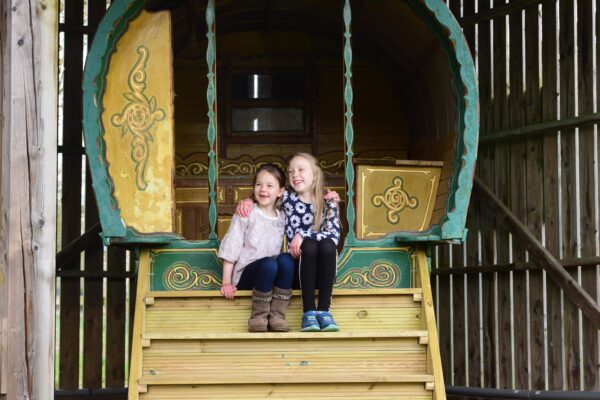
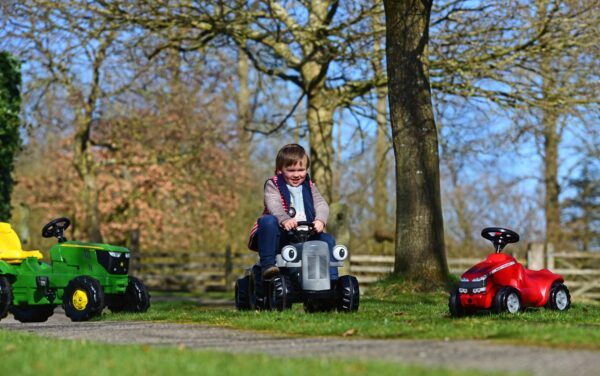
You can also play house in a lovingly-converted classic gypsy caravan or try out your steering skills in the children’s tractor zone. We even have ‘Little Grey Fergie’ toy tractors for you to try out.

And don’t forget to call by the farming area – we have rare-breed pigs and chickens to feed before you go! 

If you’ve enjoyed your visit, don’t forget to mention it to your teacher at school! The Museum welcomes school groups and we have some brilliant self-led activities for school groups

Meet the animals

Up in the farming area, our rare-breed animals help tell the story of our farming heritage. In a typical season you may find Tamworth pigs and traditional-breed chickens to feed, including Light Sussex, Barnevelder, Orpingtons and Yorkshire Pheasant Fowls. 

We also have rare-breed Manx Loaghtan sheep within our farming area . These have been characterised as ‘at risk’ by the Rare Breeds Survival Trust. By the middle of the twentieth century, there were only forty-three, though numbers have been increasing due to special breeding programmes.

In the Foldyard, farm implements and machinery take you through the farming year, from ploughing to harvesting. Younger visitors can try out our ride on tractors too.

In the summer, the Museum cornfield is in stunning bloom. A hundred and fifty years ago, the British countryside offered a range of different flora to see. You can discover the now-rare species that would have been taken for granted by the inhabitants of our cottages, including corn cockles, corn marigolds and large flowered hemp nettles. Another occasional visitor to the Museum’s cornfield is shepherd’s needle (Scandix pecten-veneris). Currently classified as critically endangered, it is now almost unheard of outside of the south-east of England.

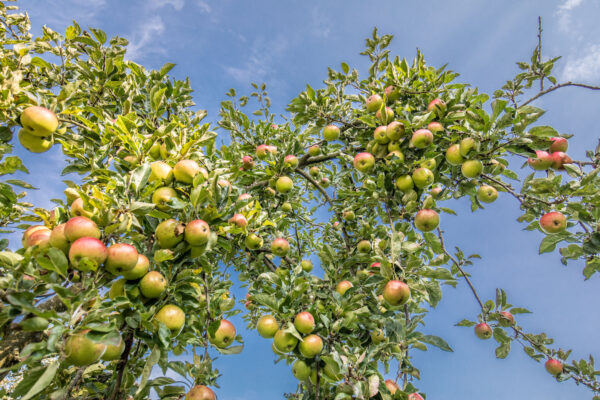
A ‘Dig for Victory’ World War Two-inspired allotment garden and an orchard stocked with heritage fruit varieties complete your visit. Fruit production was an important part of life in Ryedale for centuries. Across the region, cottagers would often have relied on apples from the garden to pay their rents.

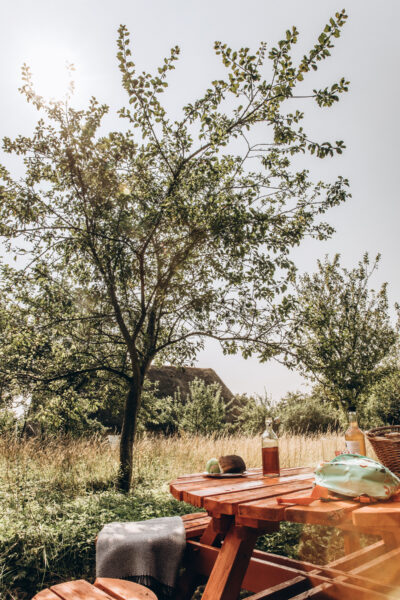
The orchard is the perfect, picturesque spot to enjoy your family picnic at one of our picnic tables, surrounded by over forty native fruit varieties, including apple, pear and plum trees – many with strong connections to North Yorkshire. 

Discover our historic collection

With 40,000 objects, Ryedale Folk Museum has something to interest everyone!

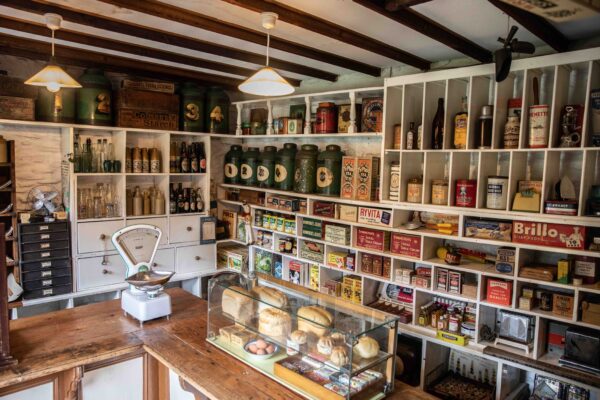
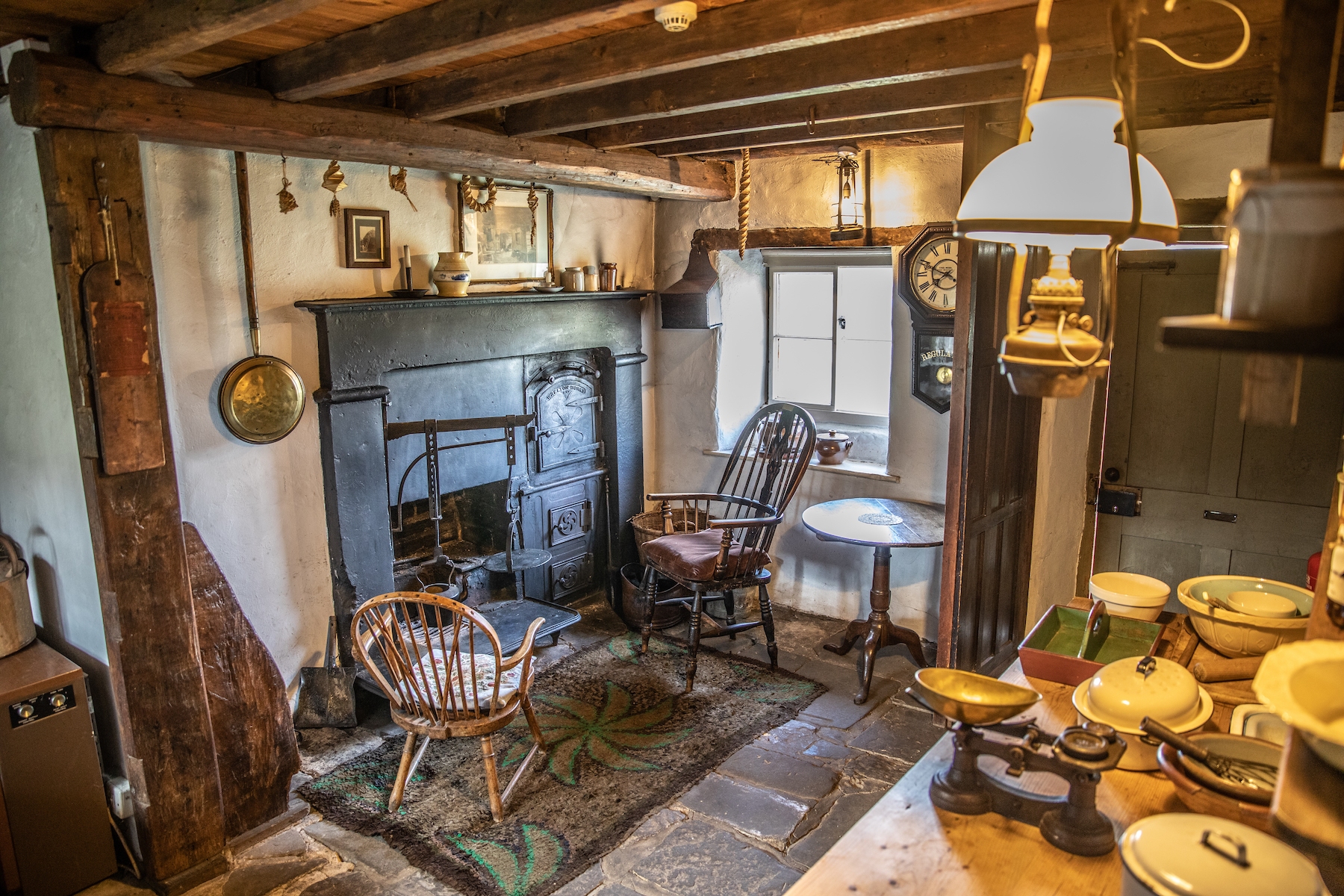
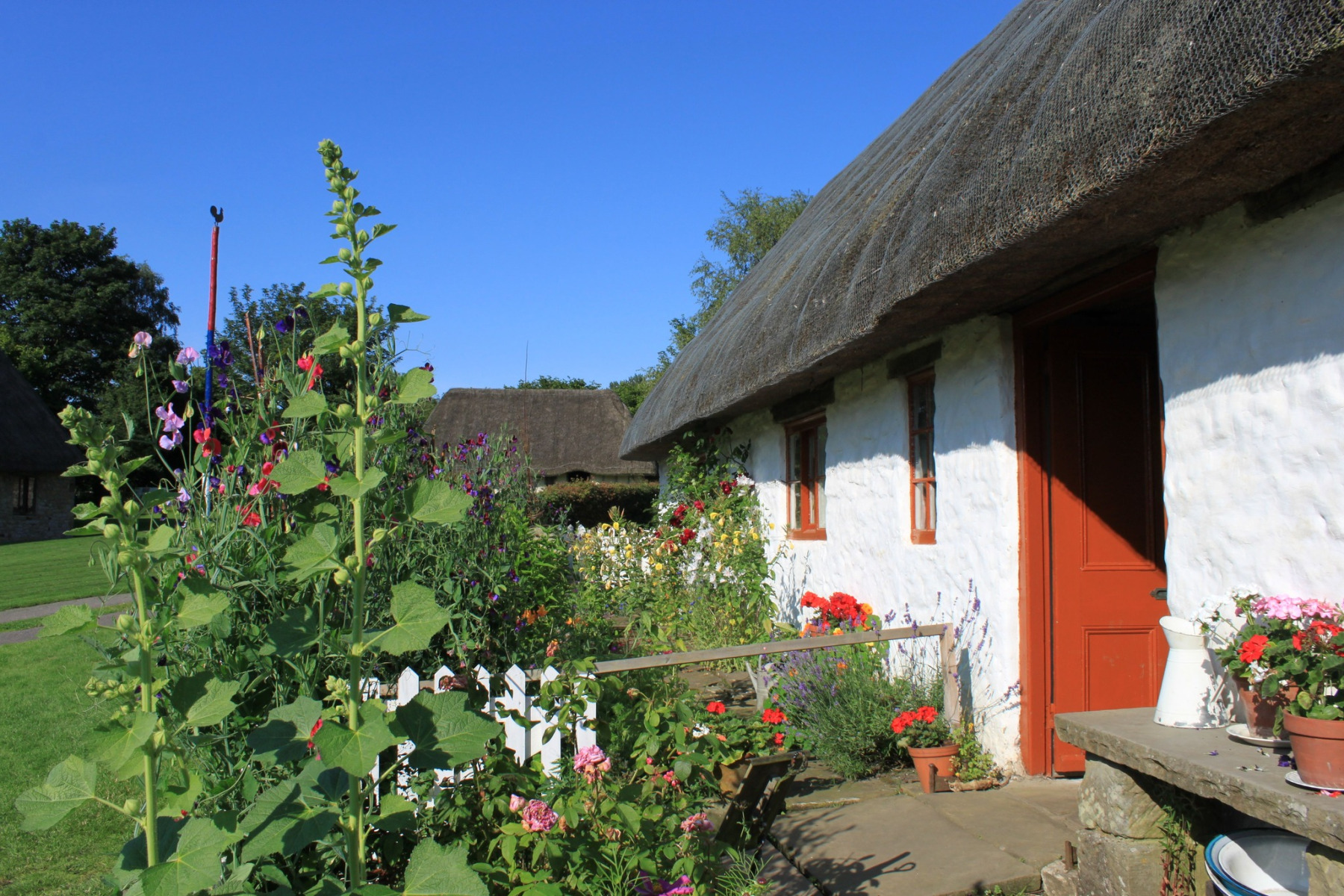
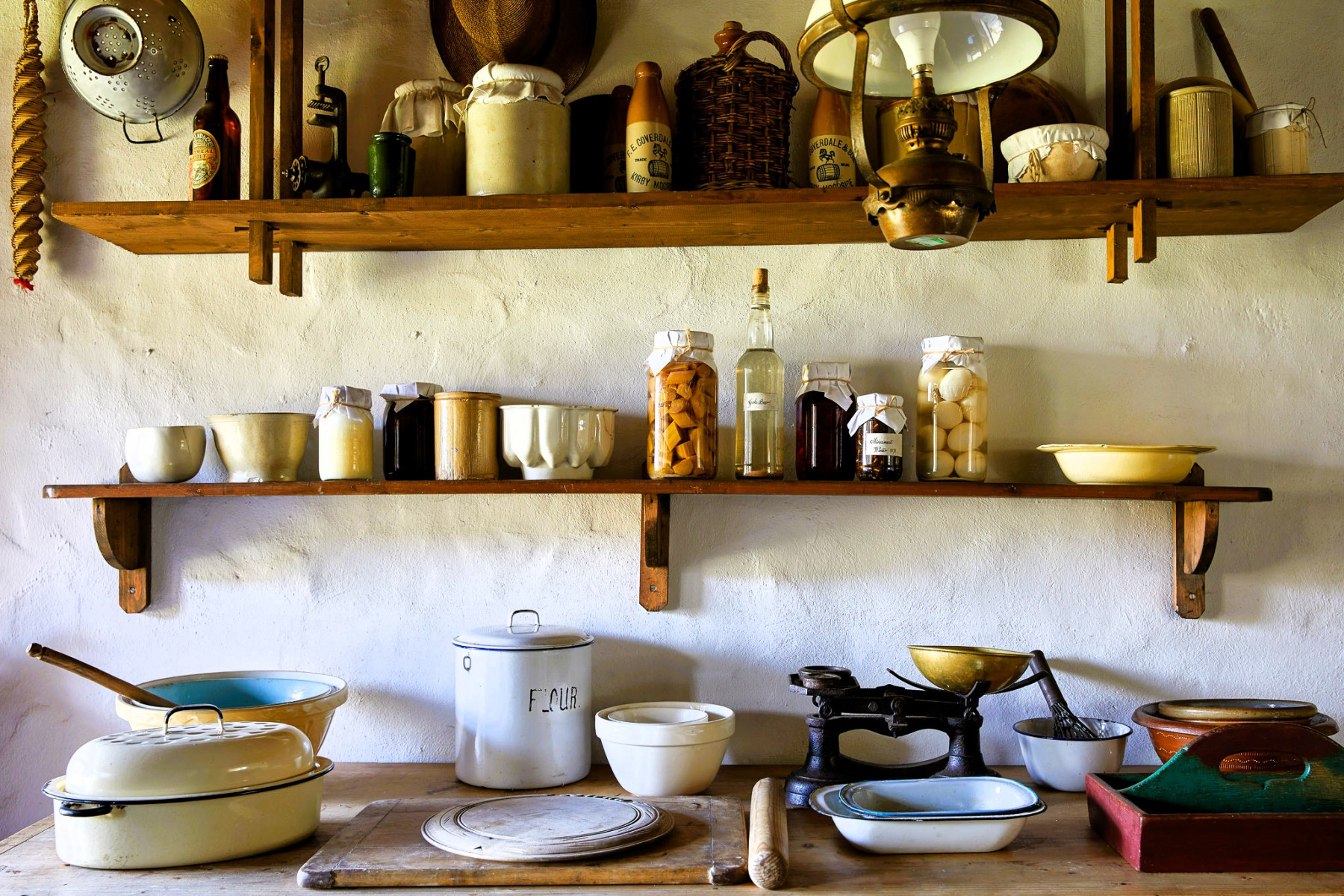
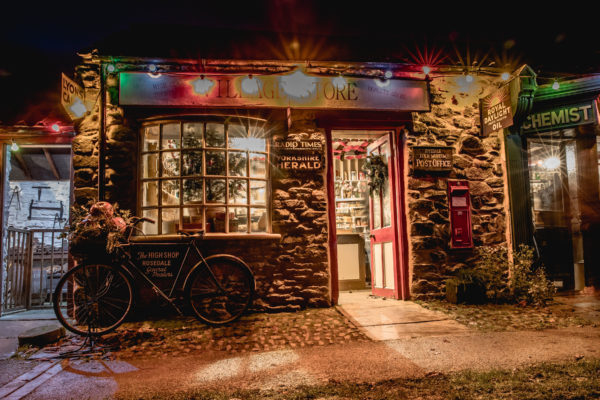
Window shop for a leech bowl at the chemist or browse to your heart’s content in our well-stocked 1950’s village store. Imagine what life would have been like by exploring the prized possessions to be found within a Victorian cottage, a Tudor thatched longhouse and a 15th century crofter’s cottage.

Our workshops contain fascinating displays of equipment, for saddlery, carpentry and forging. From bee skeps to a lacemakers’ lamp, Merrills board games to a portable horse wheel, there’s a lot to catch your eye.

You’ll find our collection displayed for your perusal across our heritage buildings, giving you a flavour of how they’d have been used by the people who owned them.

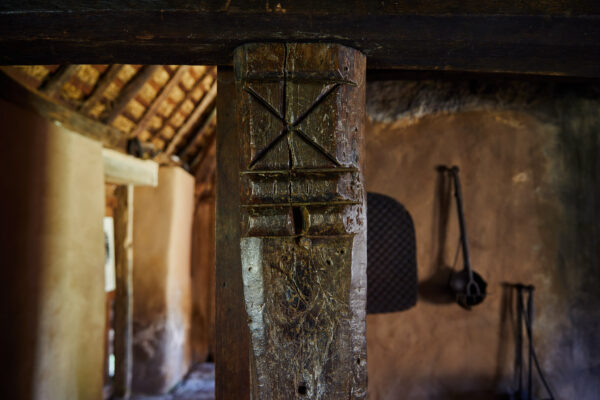
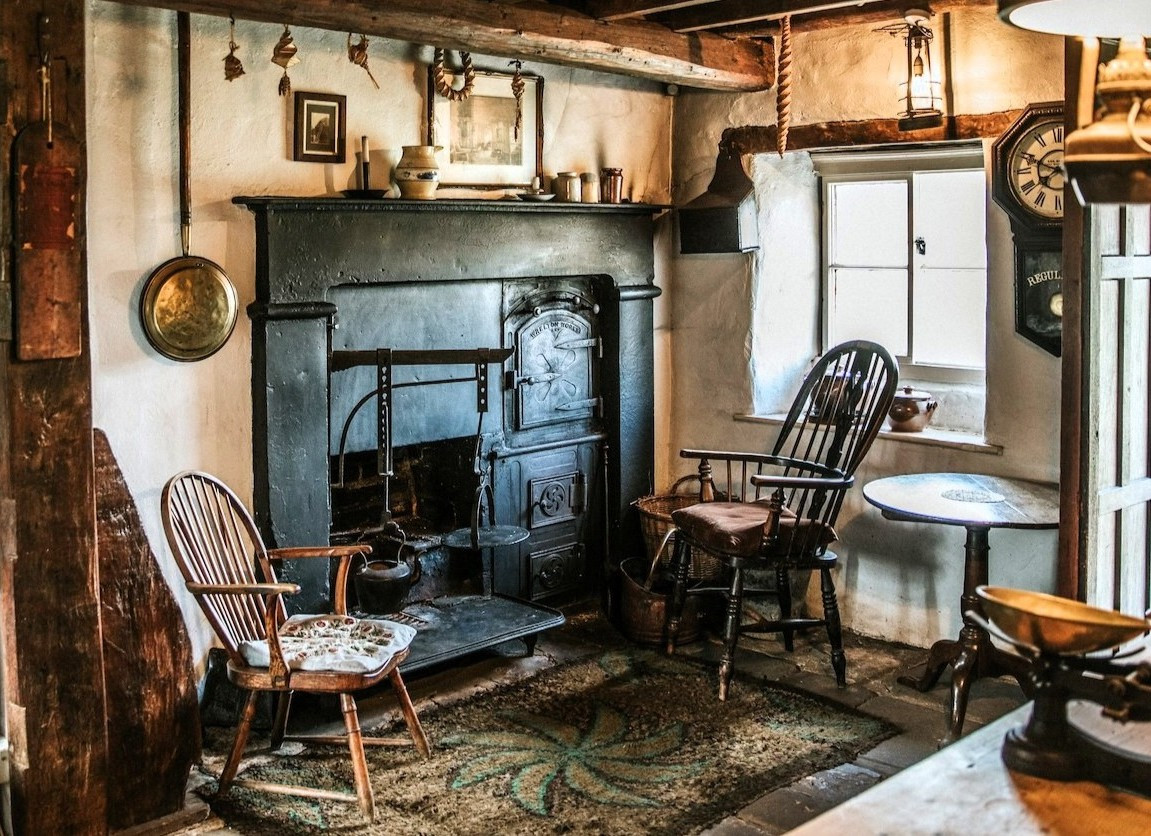
Seek out the ‘witch post’ in situ in Stang End cottage and decide for yourself if you believe the theory that they were supposed to discourage evil from entering through the chimney. We have three ‘witch posts’ within the collection, out of the approximately twenty known to exist!

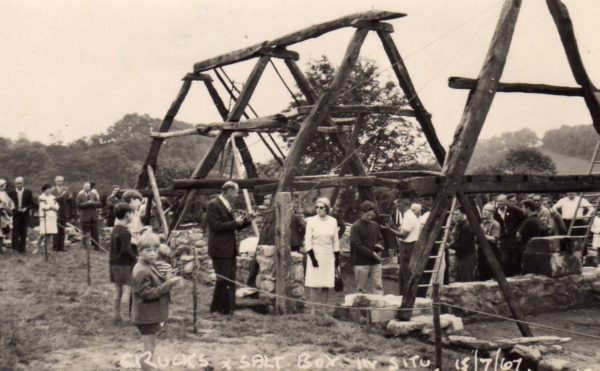
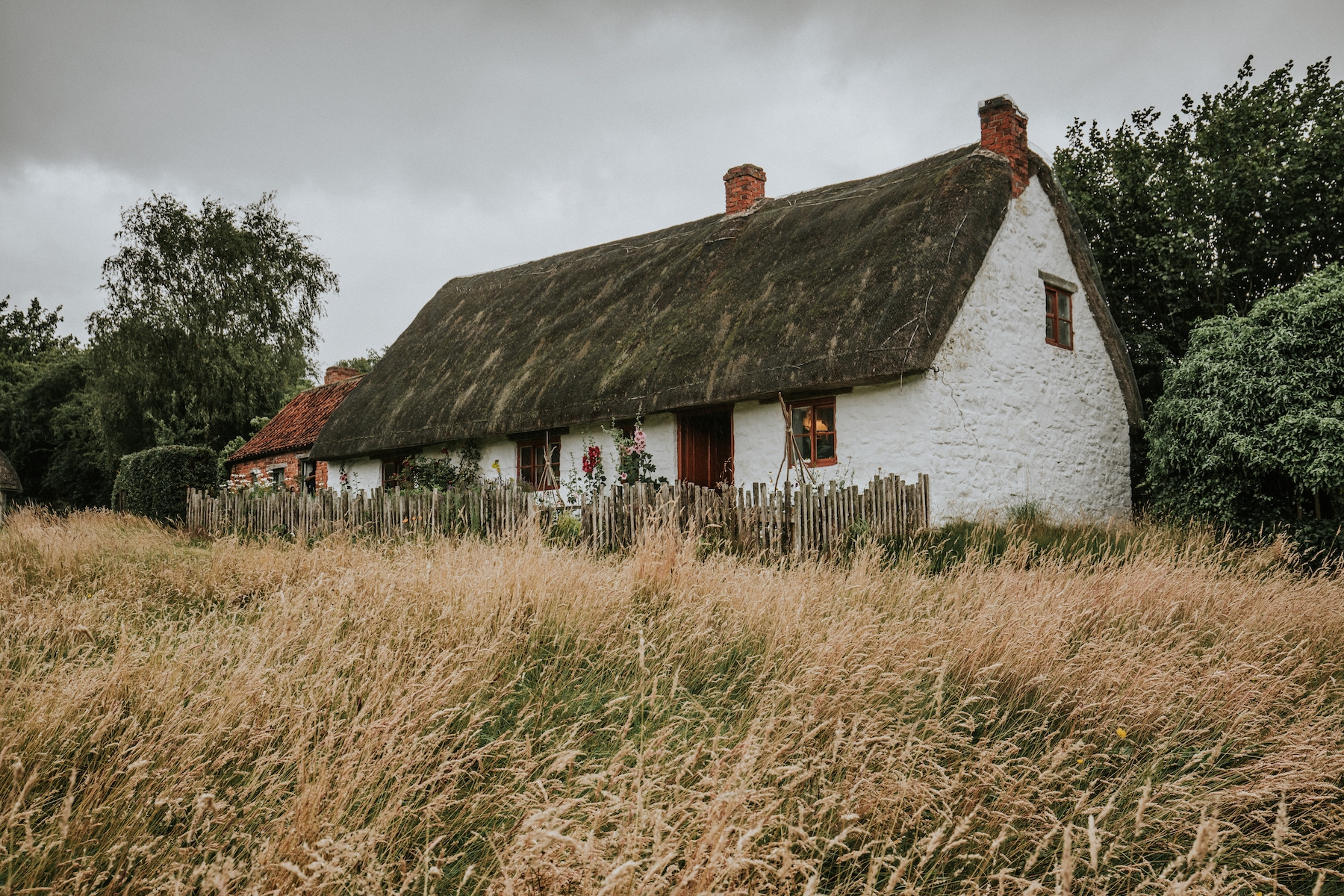
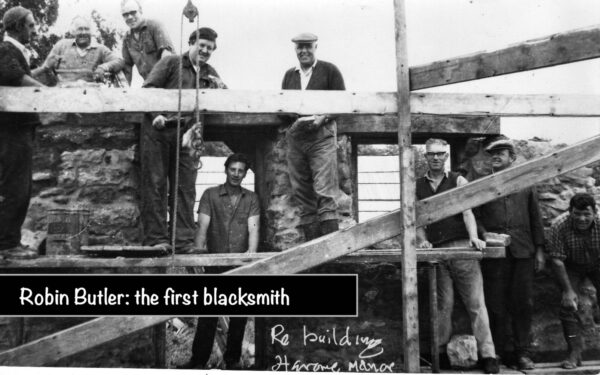
Whilst you’re in Stang End, don’t miss the original saltbox. Built into the wall by the fire, it was a safe, dry place to keep the precious family salt store. Our beautiful cruck house stood in the village of Danby for five hundred years before journeying to the Museum. The salt box was a prized possession, shown here at the right of this photo when it was officially ‘laid’ at the Museum on 15 July, 1967 by the Countess of Feversham.

Next, call by the Undertaker’s office to discover the amazing story of the Farndale Hearse, purchased cooperatively by the people of remote Farndale in 1839.

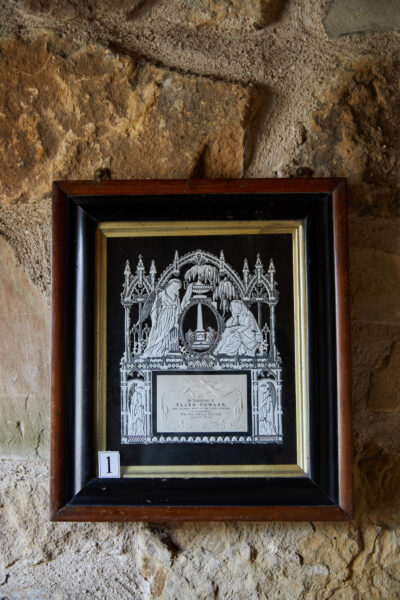
Whilst you’re there, look out for beautiful and intricately-designed memorial cards, sometimes known as funeral cards – these keepsakes were particularly treasured during the second half of the 19th century. Made of stiff card in black and white or cream, they were embossed with designs rich in symbolism, with classical or gothic motifs. As mass-production and embossing techniques increased in sophistication, they became increasingly sculptural in quality.

If you are not able to visit the Museum, you can also explore our stories through our Museum From Home feature!

PRESS RELEASE: Leading artists to share the impact of the pandemic

A group of leading artists, including Andy Goldsworthy, is collaborating with Ryedale Folk Museum to explore the impact of the previous 12 months on artists and their creative practice. It will culminate in an open exhibition in September, bringing together professionals, amateurs and hobbying artists in response to the northern landscape.

The project, funded by Arts Council England, grew out of a strong awareness of the lack of access to the natural environment in adherence to the Government’s Stay Home message at the height of the pandemic. Like everyone else, artists found their travel restricted during a series of lockdowns.

Land artist Andy Goldsworthy’s latest project on the North York Moors developed from conditions created by the pandemic. ‘Southfield House’ is part of Goldsworthy’s quest to explore the environment through natural materials. “It was conceived during lockdown and made between lockdowns,” says Goldsworthy. “I wanted to make something during that period that has that sense of being uplifting. The work is now connected to that moment in time.”

Goldsworthy is one of six artists to feature in a series of videos, created by landscape painter Kane Cunningham, and also including photographer Joe Cornish, landscape painter Peter Hicks, photographer Tessa Bunney, sculptor Peter Coates and painter Francesca Simon. The videos will be shared throughout May and June

“At its heart, the project is an opportunity for artists to share their experiences and to encourage others who may have seen significant changes to their output because of Covid-19,” explains Ryedale Folk Museum’s Director, Jennifer Smith.

“Through Kane Cunningham’s films, we are seeing honest and open discussions about the challenges – and, sometimes, the opportunities – faced by the artistic community.

“Situated within the North York Moors National Park, we needed only to look outside the museum window to realise that there was nobody here during lockdown. One question that interested us was what impact that was having on artists who respond directly to the landscape and who make their living from that inspiration,” says Smith.

The partnership with Kane Cunningham was a natural one.

“For 20 years, I’ve travelled from Scarborough to St. Bees, coast to coast,” explains Cunningham. “In a normal year, my art takes me over hill and dale and across mountain pathways to find the perfect view.”

The sense of loss during lockdown led to a desire to reach out to others on this theme: “I felt the need to discover more about the landscape and what it means to me and other artists in these challenging times. Has it changed the way they think about their work? Has it changed the way they think about the landscape?”

The Museum hopes that sharing the contemplations of other artists will inspire people to create new work or reflect on a piece created since the start of the pandemic, to feature in the open exhibition of two- and three-dimensional work from September. The submission window opens this week until 30 June, with the selection panel to include Cunningham, Joe Cornish and ceramic artist Layla Khoo.

Artists and other creative practitioners, of any artform, are also invited to send their own brief film clips (less than a minute long) to be shared on social media, responding to the question: ‘How has your creative practice changed in the last 12 months?’

Full details can be found on the museum’s website.

–  ends –

Media contact: Jeannie Swales on 07968 953737 or [email protected]

Note to Editors

Nestled in the beautiful village of Hutton-le-Hole in the North York Moors National Park, Ryedale Folk Museum is Yorkshire’s leading open-air museum. Together, more than 40,000 objects and 20 heritage buildings, beautifully displayed over a six-acre site, bring to life the history and lives of ordinary people from Ryedale.

Acknowledgments

The project has been supported by funding from Arts Council England, the national development agency for creativity and culture.

A note from Arts Council England: We have set out our strategic vision in Let’s Create that by 2030 we want England to be a country in which the creativity of each of us is valued and given the chance to flourish and where everyone of us has access to a remarkable range of high quality cultural experiences. We invest public money from Government and The National Lottery to help support the sector and to deliver this vision. www.artscouncil.org.uk

Following the Covid-19 crisis, the Arts Council developed a £160 million Emergency Response Package, with nearly 90% coming from the National Lottery, for organisations and individuals needing support. We are also one of the bodies administering the Government’s unprecedented £1.57 billion Culture Recovery Funds. Find out more at www.artscouncil.org.uk/covid19

With thanks to the David Ross Foundation, which has commissioned Andy Goldsworthy’s new work.

Artists’ biographies

Tessa Bunney

For over 25 years, Tessa Bunney has photographed rural life, working closely with individuals and communities to investigate how the landscape is shaped by humans – from fishermen in Morecambe Bay to ice swimmers in Finland, her projects reveal the dependencies between people, work and the land.

Peter Coates

With a background in architectural sculpture and stone carving, Peter Coates has produced an extensive range of work since establishing his studio in 1994, responding to the environment and displaying an inventive design sensibility. Now based in North Yorkshire, a prestigious NESTA Fellowship has allowed him to explore diverse materials.

Joe Cornish

Joe Cornish has lived and worked close to the North York Moors, photographing the North Yorkshire landscape for over 20 years while continuing to work overseas. With a keen awareness of environmental concerns, he has been drawn to wilderness ever since his formative trip to Alaska in the early 1990s, as the official photographer on a Raleigh International expedition.

Kane Cunningham

A landscape artist, painting in watercolour and following in the tradition of J.M.W. Turner, Kane Cunningham’s work takes him across the UK and Europe. He is currently working on an artist’s companion guide to Wales, Scotland and Ireland and painting large-scale watercolours in extreme and remote locations.

Andy Goldsworthy

Internationally known for his site-specific land art, Andy Goldsworthy creates sculptures which respond to their location, viewing his works as collaborations with nature. His sculptures emphasise the unique qualities of the natural materials and their relationships with place. In response to the ephemerality of his artwork, he often photographs it upon completion.

Peter Hicks

Landscape painter Peter Hicks takes inspiration from the landscapes and seascapes of North Yorkshire and Northumbria. For 20 years he was head of creative arts at Queen Elizabeth College in Darlington, before retiring early to paint. Now in his eighties, he continues to work from his studio in Danby in the North York Moors.

Layla Khoo

A multimedia 3D artist, Layla Khoo specialises in ceramics and site-specific installations. Her work responds to ideas, events and collections of objects. She often selects ceramics for their familiarity and for their broad range of historical connotations, from everyday tableware to satire and sculpture.

Francesca Simon

A painter with an instinct for geometry and pattern-making, Francesca Simon often explores a fascination with three-dimensional effects worked onto the flat plane of a canvas, with her route into abstraction stemming from the topography and field shapes of North Yorkshire.
Northern Eutierria: a new project for 2021

During 2021, Ryedale Folk Museum and painter Kane Cunningham are on a journey, to understand the impact of the public health crisis on artists’ creative practice. In a desire to do something positive and support artists as the restrictions are lifted, the Museum and Kane have come together to explore how artists were affected by the pandemic and how it changed their work.

This project has been made possible thanks to funding from Arts Council England, the national development agency for creativity and culture.

We publicly announced this project on Monday 3 May 2021. Read the full press release here.


In the beginning…

We wanted to find out how the pandemic and the lockdowns had affected artists, particularly those for whom the landscape is critical to their creative practice. So, we’ve been asking some of them!

In a series of interviews, Kane talked to photographer Tessa Bunney, sculptor Peter Coates, photographer Joe Cornish, sculptor and land artist Andy Goldsworthy, painter Peter Hicks and painter Francesca Simon.

These interviews have been brought together in a series of films and a podcast, which we plan to release in stages over the coming weeks. We hope that these insights from artists will help others to reflect on this challenging year, and to act as inspiration for people to participate in other elements of the project, including an open art exhibition in the autumn.

In our first film, Kane chats to photographer Joe Cornish, painter Peter Hicks and photographer Tessa Bunney about life in lockdown and their reflections on the last year.

In part 2, artist Andy Goldsworthy talks about life and art in the lockdown, and his new installation of work created during the pandemic.


We are grateful to the artists above, who have supported this project by sharing their thoughts and experiences to help others across the artistic community.

If you would like to join in and share your own experiences of creating art – or not really feeling like it (!) – during the pandemic, then send us your own selfie-film (less than one minute please), answering the question ‘How has your creative practice changed in the last 12 months?’. Share your mini-film on social media and tag in the Museum, so that we can share it too.


In the middle…

In July, Kane Cunningham exhibited a solo show of new paintings in the Museum’s art gallery, in his own personal reflection of the last twelve months. It featured new works, painted and created during the lockdown.


In the end…(or is it a new beginning?)

We invited artists (professionals, amateurs and hobbying artists) to get involved in an open art exhibition that will take place in the Museum’s art gallery and online (link to follow).

In the Open includes over 80 works of art by different artists. A printed catalogue will be available for sale, capturing this exhibition and the thoughts of those exhibiting, on how their creative practice has been changed in light of the public health crisis.

The works in the open exhibition were selected by Kane Cunningham, Joe Cornish and ceramic artist Layla Khoo.

In the Open begins on Saturday 18 September. Please find all the details including opening times here.